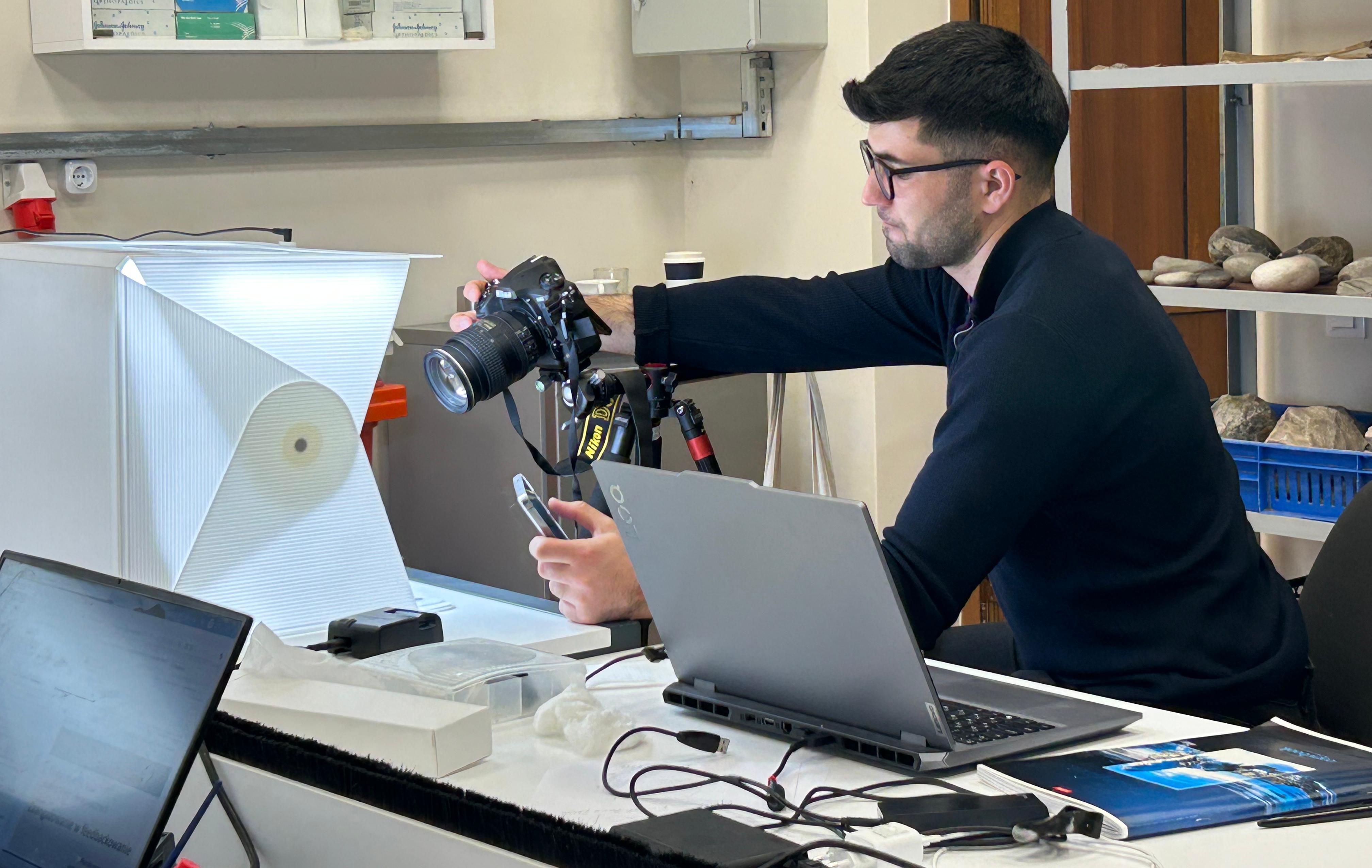
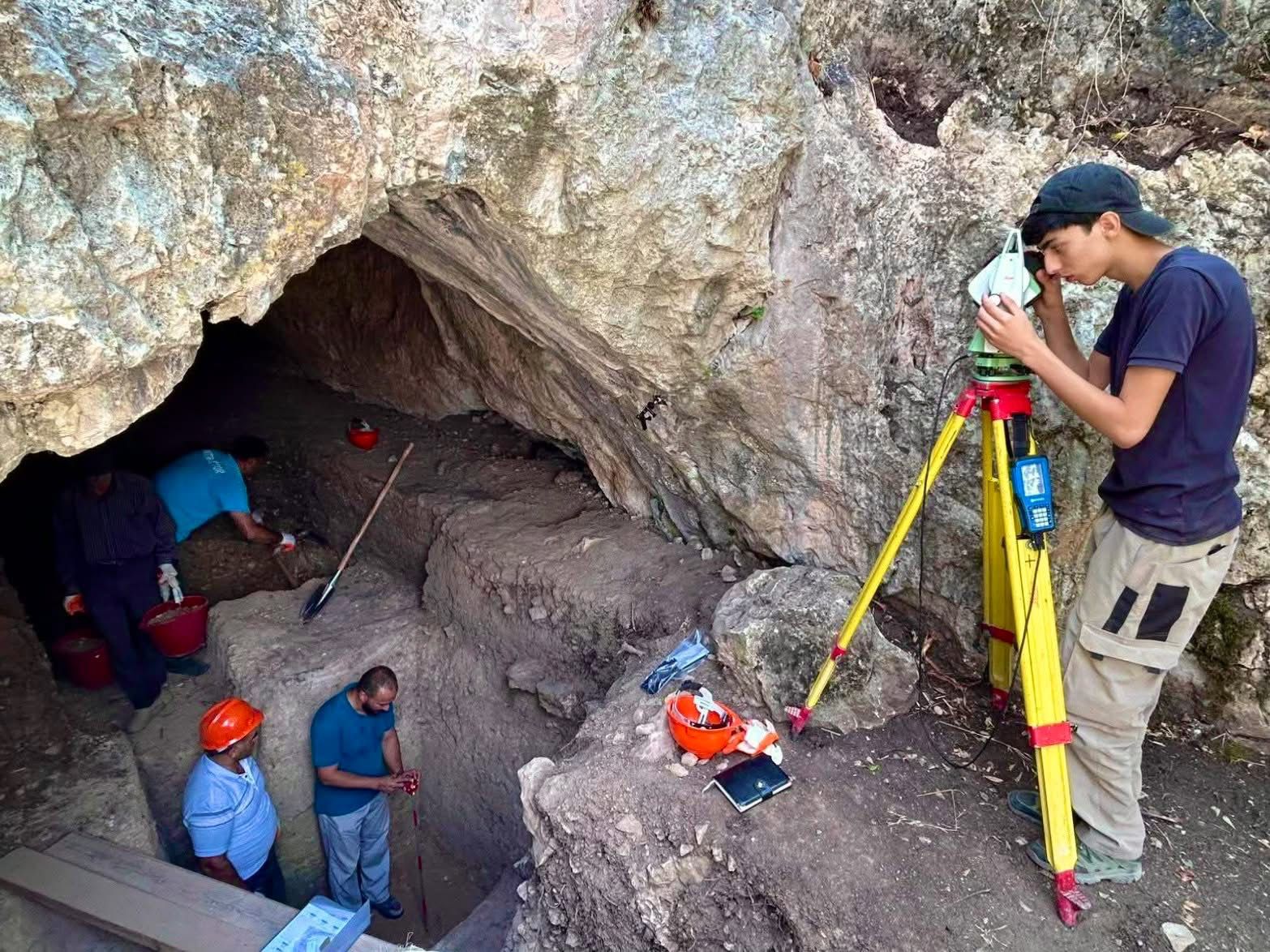
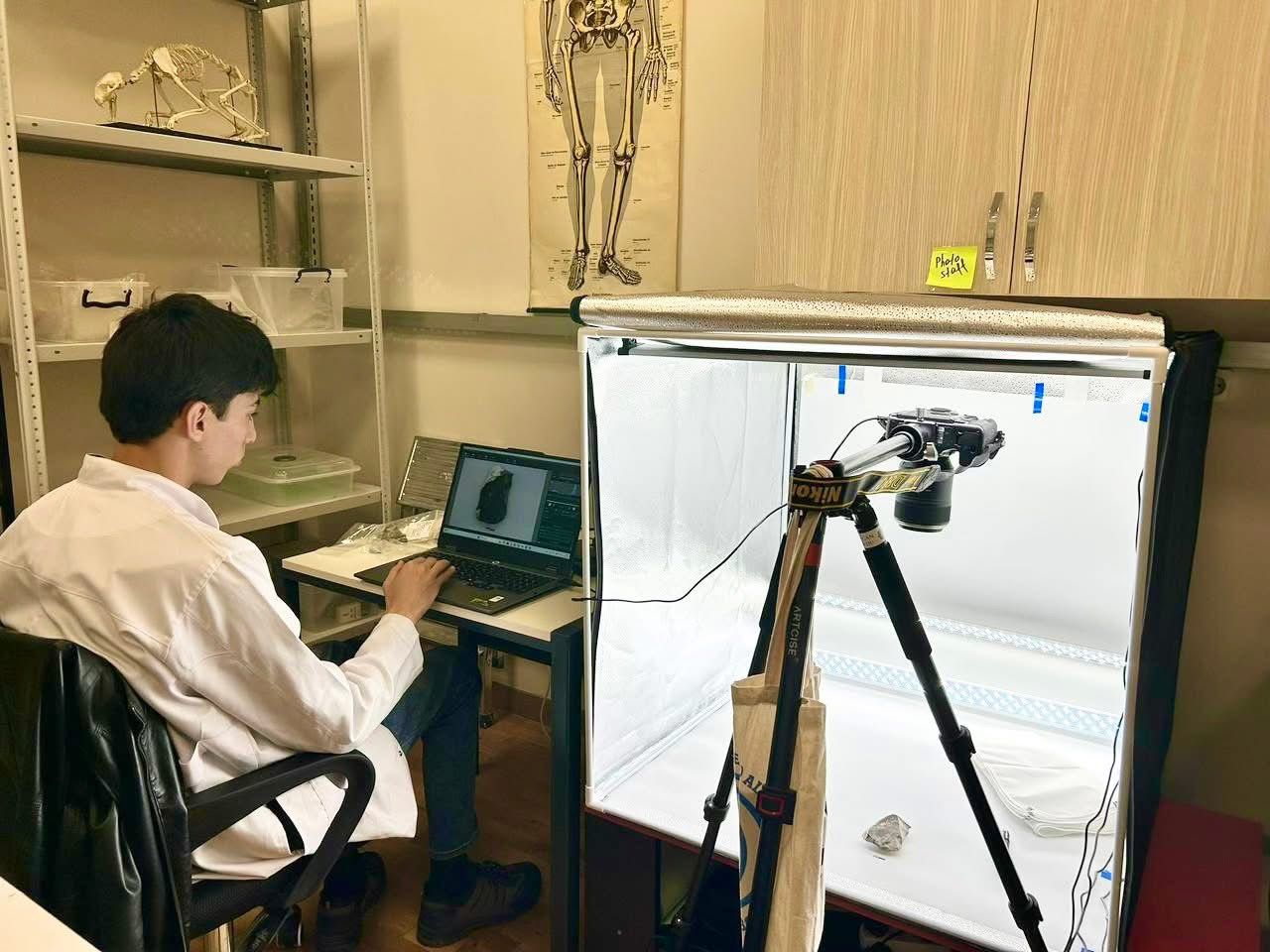
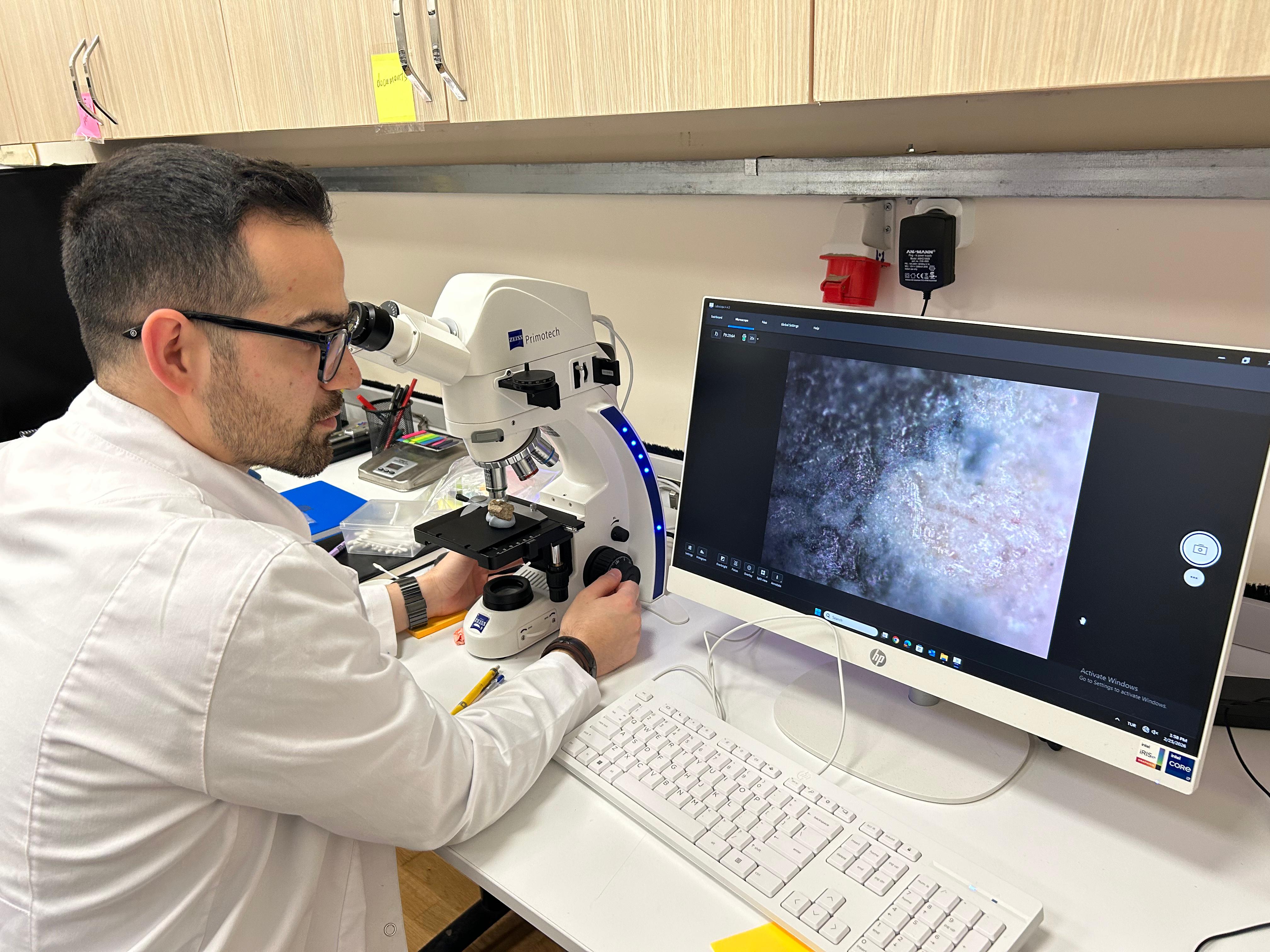
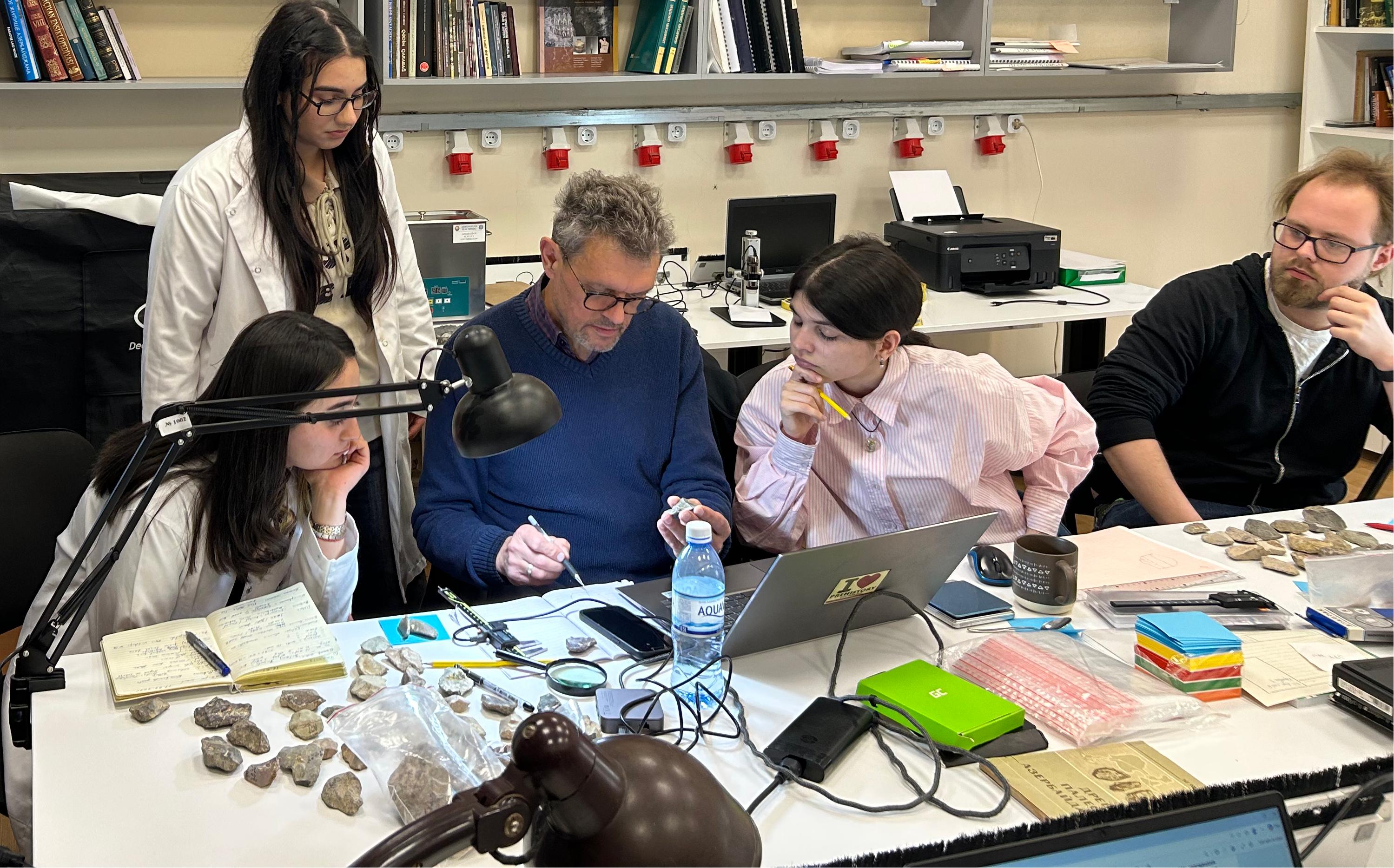
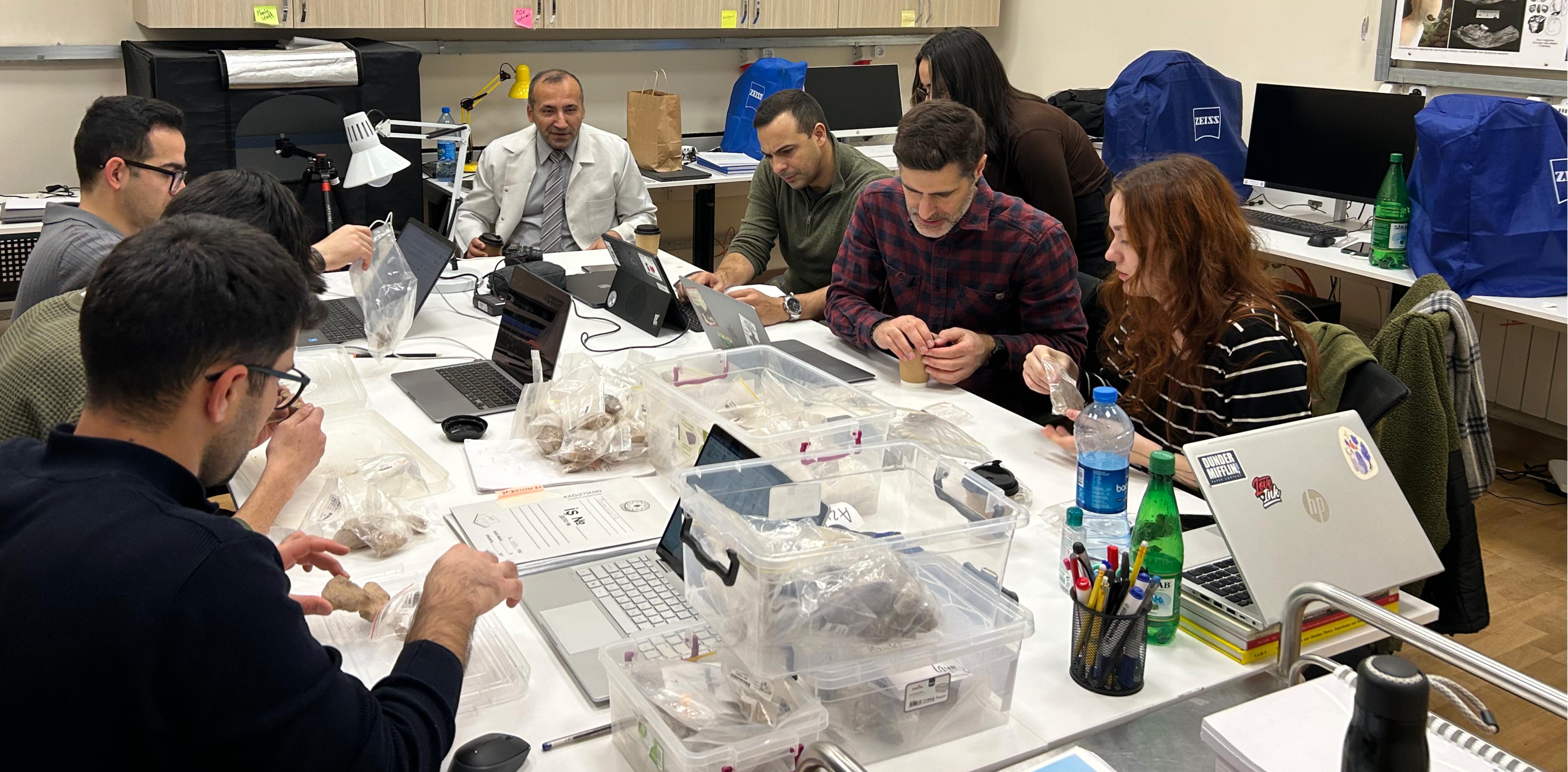
Based on the memorandum signed between Qarabağ University and the Institute of Archaeology and Anthropology of the Azerbaijan National Academy of Sciences (ANAS), the Azykh Archaeological Research and Analysis Laboratory has been established at Qarabağ University.
The following research and analyses are conducted in the laboratories:
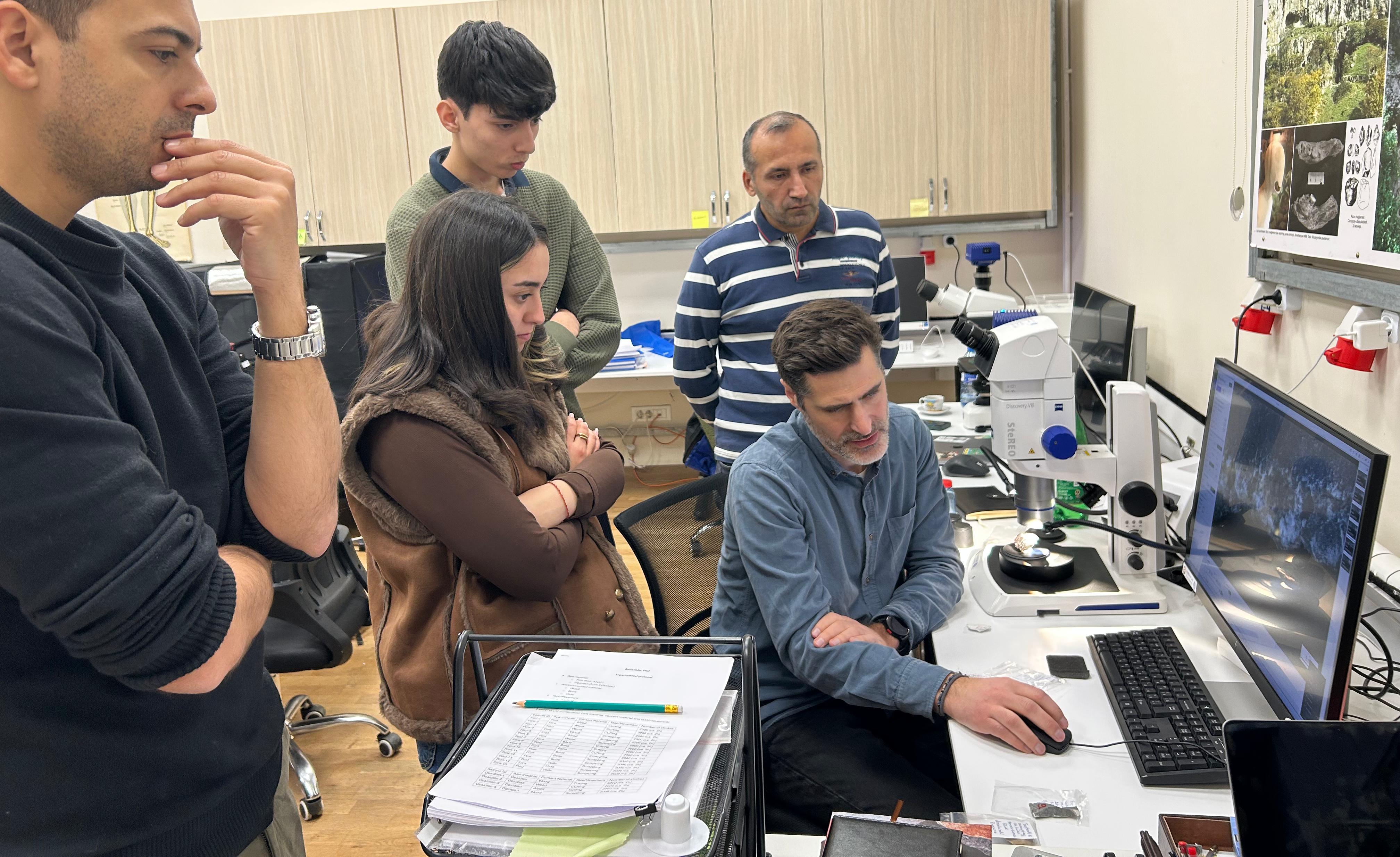
1. Microscopic Traceological Analyses (Use-Wear Analysis):
The study of microscopic wear patterns formed on the working surfaces of prehistoric tools—such as linear traces, polish levels, and edge chipping—using high-resolution microscopes constitutes one of the laboratory’s main scientific pillars. Through these analyses, it becomes possible not only to determine the material on which a tool was used, but also to identify the kinematic movements performed during use (angle, pressure, direction) and the contact materials (soft tissue, bone, wood, dry/wet hide) at a micromorphological level. This approach enables the reconstruction of prehistoric human adaptation strategies to the environment and their socio-cognitive behavior patterns at a fundamental level.
2. Experimental Archaeology and Modeling:
In this section, technological experiments are conducted on various inorganic materials (stone raw materials, clay, metal resources) and organic materials (leather, bone, wood) to practically verify archaeological hypotheses. Through these experiments, the ancient production chain (chaîne opératoire) is modeled, and the difficulty of tool production, resource management, and functional efficiency are substantiated through empirical data.
3. Techno-Typological and Digital Analyses:
In addition to morphometric and chronological classification of prehistoric materials, digital documentation and centralized server registration of findings are carried out using GIS (Geographic Information Systems), 3D scanning, and artificial intelligence-assisted methods.
4. Taphonomic Studies:
Post-depositional changes affecting material culture during sedimentation processes—such as patination, oxidation, and bioturbation—are analyzed to accurately distinguish whether traces on materials are of natural or anthropogenic origin.
5. Photogrammetric Modeling and Documentation:
By combining multiple photometric datasets using mathematical algorithms, sub-millimeter-precision 3D models of objects are created. This enables scientific evaluation of morphological deformations and volumetric changes.